
Dato IR Lo Khere Chiang says DAP is wrong on hydrogen projects
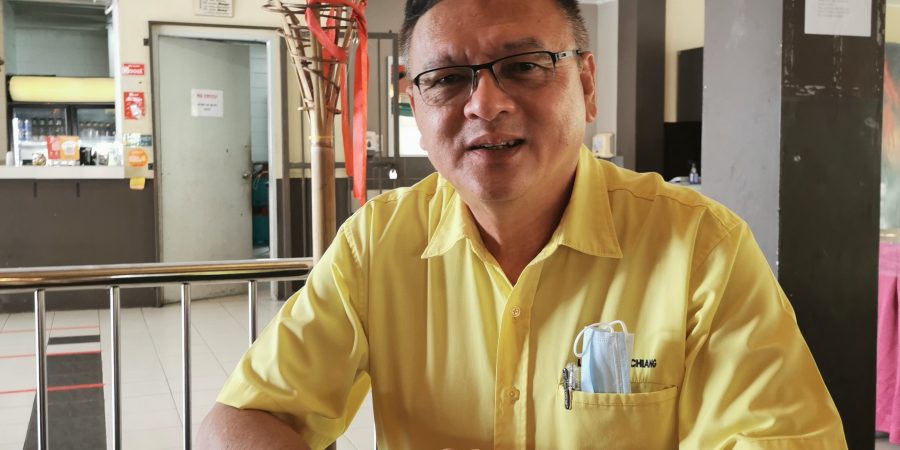
Violet Yong’s recent criticism of Sarawak’s hydrogen initiatives reflects a narrow and outdated perspective that fails to recognize the state’s strategic advantages. By citing select international examples of hydrogen project failures, she ignores the unique resources and conditions that make Sarawak an ideal leader in this field. Instead of supporting the state’s vision for a cleaner and more self-sufficient future, her arguments risk undermining progress with incomplete comparisons and misplaced skepticism, said State Assemblyman Batu Kitang, Dato IR Lo Khere Chiang.
Lo said Sarawak is not blindly investing in hydrogen—we are strategically leveraging our strengths. Under Premier Abang Johari’s leadership, Sarawak has earned global recognition as a leader in hydrogen energy. Unlike the failed projects Yong highlights, Sarawak benefits from a unique combination of hydroelectric power and natural gas resources, ensuring that hydrogen production here is cost-effective and sustainable in the long term. While other nations struggle to secure clean energy sources, Sarawak is blessed with abundant rainfall and hydroelectric capabilities, giving us a competitive advantage that many countries simply do not have.
“The global energy sector is embracing hydrogen as a crucial part of the clean energy transition. Forbes Senior Editor Alan Ohnsman, an expert in future mobility and energy, has highlighted the growing momentum behind green hydrogen, with major companies investing heavily in its development. If world leaders in energy and mobility recognize the potential of hydrogen, why is Violet Yong so intent on dismissing it?” he questioned.
Pointing out that Yong claimed that electric buses are a better solution, but this ignores a critical reality: battery-powered vehicles are not suitable for heavy transport and industrial use. While electric vehicles (EVs) work well for personal cars, they lack the range, efficiency, and practicality for long-haul transport, shipping, and industrial applications—areas where hydrogen is far superior. Many advanced nations, including Japan and Singapore, are investing in hydrogen because they recognize its potential for large-scale energy solutions. Japan, for example, must import LNG to generate electricity, while Sarawak already has this resource in Bintulu. This places us in a far better position to capitalize on hydrogen energy than many developed nations.
He cited examples of Germany and South Korea are also investing billions into hydrogen infrastructure because they recognize its long-term viability. Even China has ambitious hydrogen bus programs in multiple cities. Surely all these nations are not foolishly wasting money; it is more probable that they are well ahead of the curve, as is Sarawak.
Sarawak’s leadership in this sector is not just theoretical—we have been invited to global hydrogen discussions, and Premier Abang Johari has delivered keynote addresses at major international energy forums. These invitations underscore that Sarawak’s hydrogen strategy is taken seriously by global experts and industry leaders. If hydrogen were truly a failed venture, why would international stakeholders recognize our efforts?
Furthermore, Lo added that Sarawak does not need lessons in governance from opposition figures who have yet to fulfill their own promises. Before questioning GPS’s hydrogen strategy, perhaps Violet Yong and her party should clarify the status of commitments made to Sarawakians:
• Where is the 20% oil royalty that was promised years ago?
• Where is the promised autonomy over education and healthcare? If this was truly a priority, why hasn’t there been progress on securing the necessary federal support?
• What happened to DAP’s commitment to recognize the Unified Examination Certificate (UEC)? While Sarawak approved it within a single day under the late Adenan Satem’s leadership, why has federal recognition stalled?
• What about the RM2,000 cash assistance per Sarawakian that was promised by DAP during the 2018 election campaign?
These are legitimate questions that deserve answers. If Yong and her party wish to criticize GPS for long-term investments, they should first address why their own short-term promises remain unfulfilled.
In her attempt to remain a vocal opposition figure, Violet Yong has lost sight of the bigger picture. The world is transitioning toward renewable energy, and Sarawak is taking the lead. Instead of supporting this forward-thinking initiative, she focuses on isolated failures elsewhere while disregarding Sarawak’s unique strengths, he stressed.
He said Sarawak is not blindly following trends—we are setting them. With natural resources, strong leadership, and international recognition, our hydrogen strategy is positioned for success. If Violet Yong refuses to acknowledge this reality, perhaps it is her perspective—not Sarawak’s hydrogen ambition—that is truly outdated.



Related News

Miri religious school renovation completed
The construction of a covered multi purpose hall at a religious school here has beenRead More

Kota Sentosa Assemblyman hands over RTP project awards to improve drainage and public facilities
Sentosa State Assemblyman Wilfred Yap today handed over Letters of Award for two Rural TransformationRead More

Comments are Closed