
Sarawak Government Remains Committed to Strengthening Religious Harmony
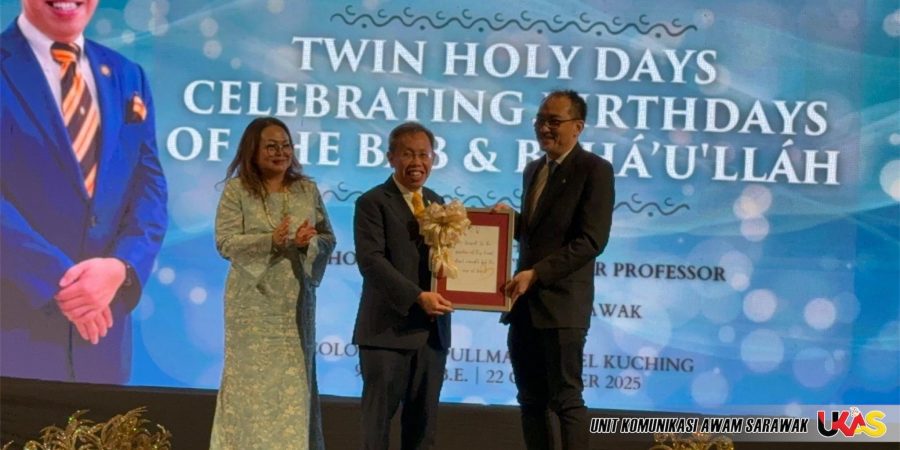
The Sarawak Government remains committed to strengthening harmony and unity among people of different faiths, in line with its vision of making the state a model of a peaceful and respectful multiracial society.
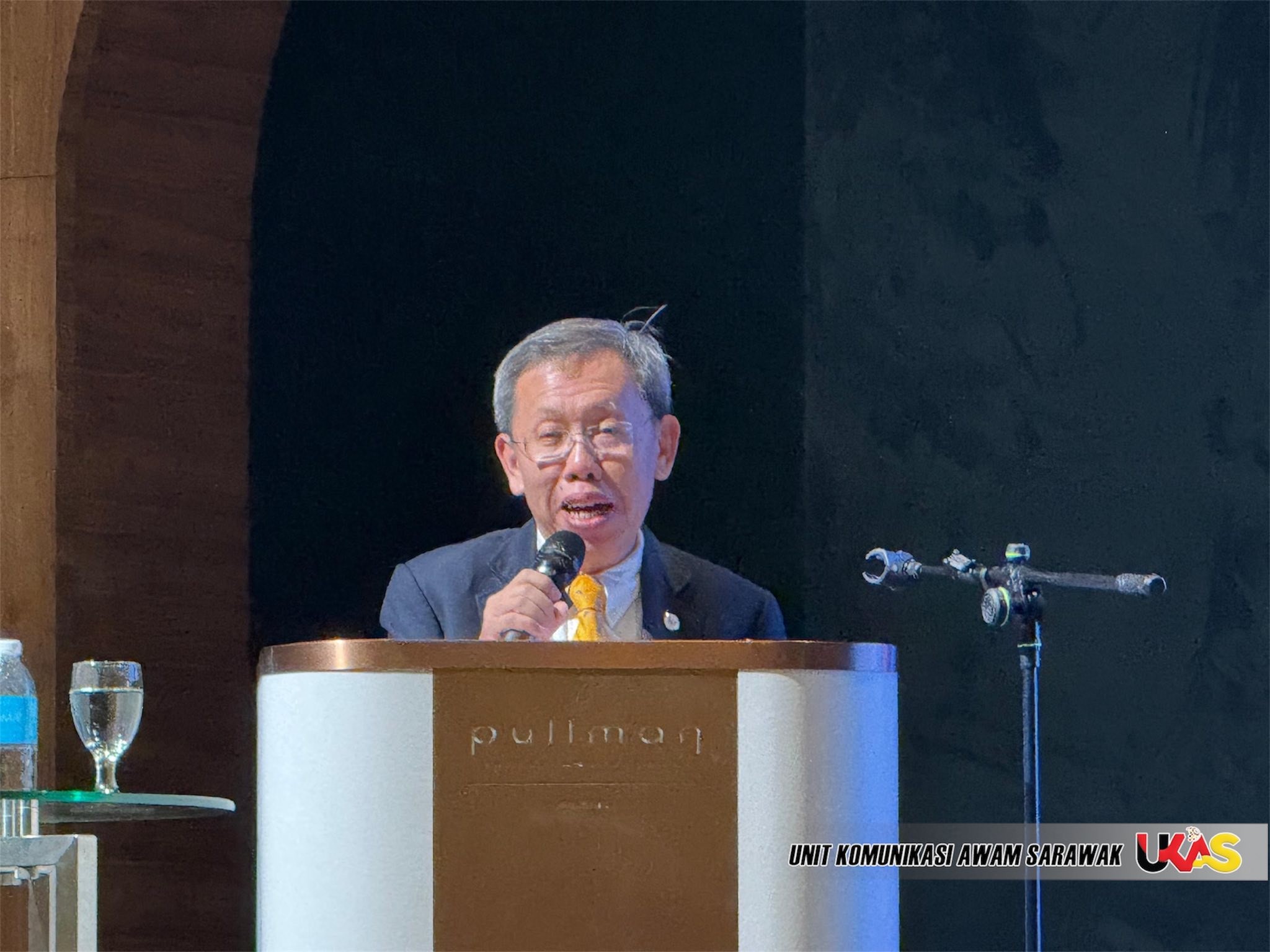
Deputy Premier Datuk Amar Prof Dr Sim Kui Hian emphasised the importance of unity and education as the foundation for a progressive society.
He said the teachings of the Bahá’í Faith, which highlight the oneness of humanity and the value of education, align closely with the Sarawak Government’s aspirations to build an inclusive, knowledgeable, and ethical society.
“The teaching of Bahá’u’lláh that we are all ‘the fruits of one tree and the leaves of one branch’ is deeply moving, as it reminds us that individual progress cannot be separated from the well-being of all,” he said.
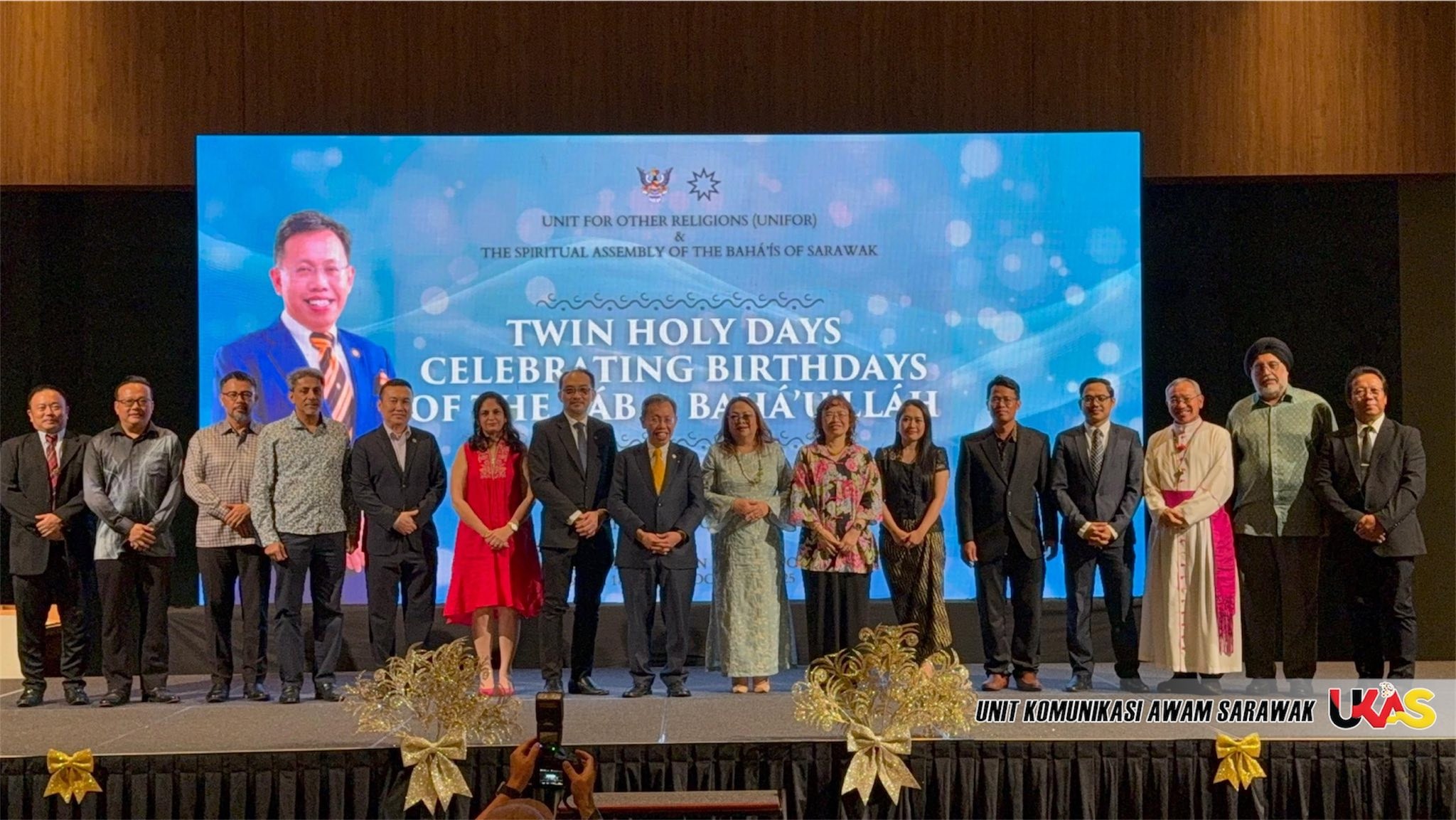
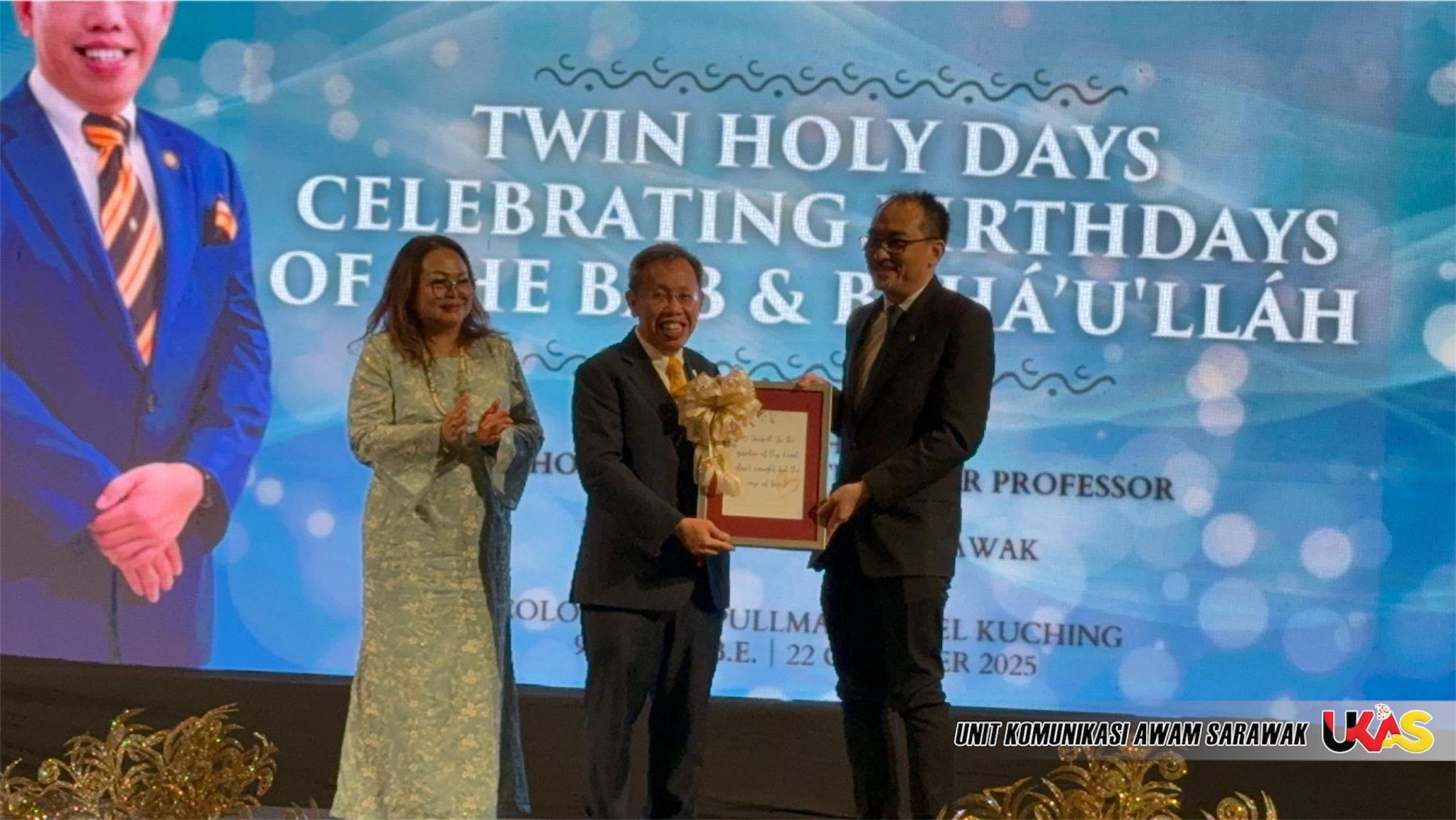
Dr Sim said this when speaking at the Bahá’í Twin Holy Days Celebration held in Kuching on Wednesday.
The event, organised by the National Spiritual Assembly of the Bahá’ís of Sarawak in collaboration with the Unit for Other Religions (UNIFOR), commemorated the birthdays of two central figures of the Bahá’í Faith — The Báb and Bahá’u’lláh.
He also praised the contribution of the Bahá’í community in Sarawak, estimated at over 50,000 members, for their long-standing role in promoting unity and community service since their arrival in the state in 1951.
Dr Sim reiterated that the Sarawak Government, through UNIFOR, will continue to ensure that all religious communities in the state receive fair space, support, and recognition.
“Through UNIFOR, the government ensures that every religious community can live peacefully and work together in an atmosphere of mutual respect and understanding,” he added.
He further noted that the Bahá’í emphasis on education which likens humans to rich mines filled with precious gems that can only be refined through learning reflects the state government’s own efforts to expand access to education, including its move towards free higher education in state-owned universities.



Related News

600 SPM Candidates from Batu Kawa Attend Two-Day Examination Preparation Camp
A total of 600 students residing in the Batu Kawa constituency who will be sittingRead More

Federal laws need to be strengthen to prevent scam epidemic, says Wilfred Yap
Kota Sentosa assemblyman Wilfred Yap said the relentless rise of financial scams across Malaysia hasRead More

Comments are Closed