
Sarawak should take strategic step to achieve its own unique autonomy and identity
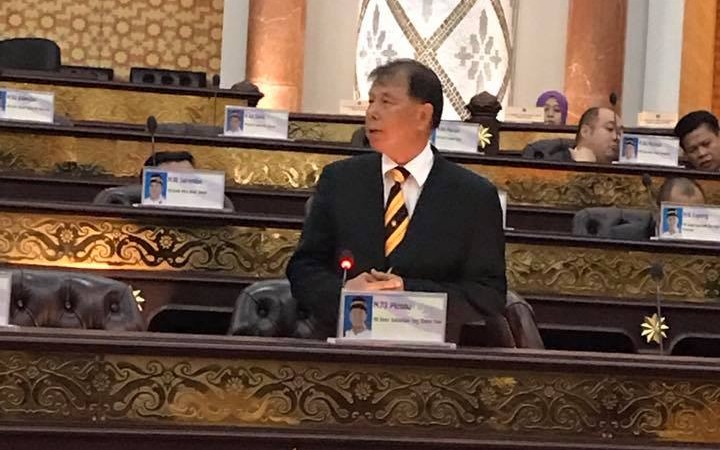
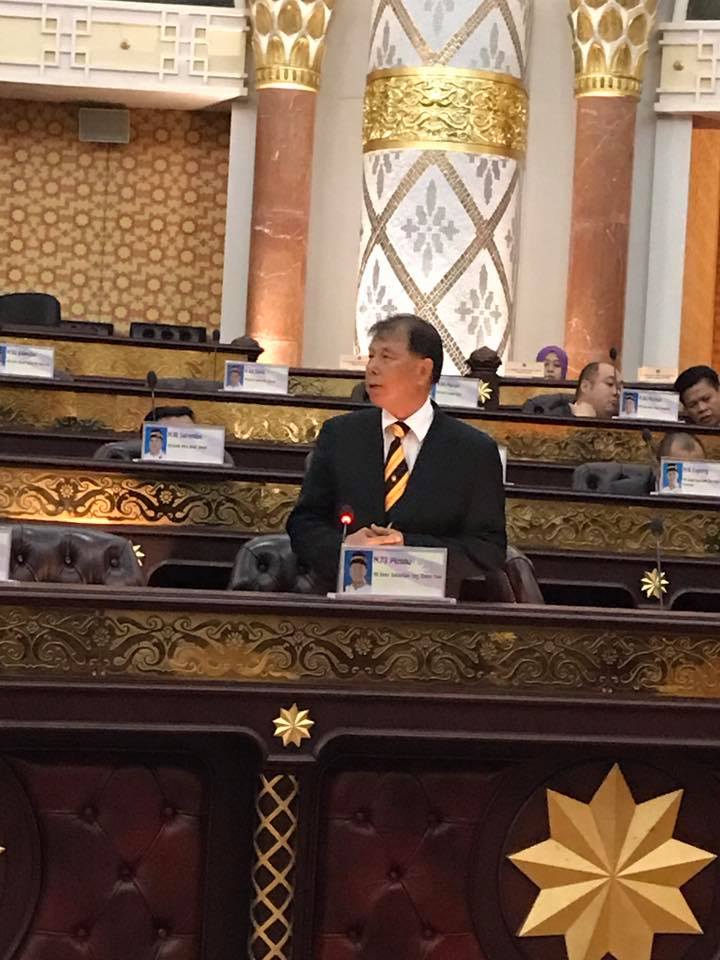
DATUK Sebastian Ting (BN-Piasau) is hopeful that the state’s new Ministry of Education, Science and Technological Research can brainstorm and organise labs with the view of coming up with a new Education Blueprint for Sarawak.
In noting that Sarawakians are thankful to Chief Minister Datuk Amar Abang Johari Tun Openg for this new ministry, Ting said Sarawakians have always been concerned with the education policy.
He pointed out that with the creation of the state’s own Ministry of Education, Sarawakians are hopeful that the flip-flop education policies introduced every time we have a new federal Education Minister is a thing of the past.
“The people of Sarawak will always remember that it was our late Chief Minister Tok Nan (Datuk Patinggi Tan Sri Adenan Satem) who championed the use of
English in our schools, using some strong words in a few occasions,” Ting said when debating on the Yang di-Pertua Negeri’s address at the State Legislative Assembly yesterday.
“We are to take charge of our education system in Sarawak with greater emphasis on English as medium of instruction in education.”
He also said Sarawak must actively promote more and more English-medium schools to improve the command of English among students and to prepare them well to be competitive at the global stage, in particular the digital world.
In the context of further autonomy for Sarawak, Ting said it was timely to propose the establishment of a Board of Architects Sarawak.
“It is similar to the time of negotiation for the Malaysia Agreement in 1963 when it was deemed essential for the High Court of Borneo to be independent of the Malayan Courts.”
He said the architect profession in the state was at the apex of the building and housing industries where any change to improve its function, efficiency and accountability will have great multiplier effect on both industries.
“Currently, Sarawakian architects are registered and regulated by federal laws, the Architects Act 1967 (Act 117) and Architects Rules 1996. However, they are functioning and servicing their clients here under very different controlling Ordinances and Acts.”
Furthermore, Ting said, the current Board of Architects does not include any permanent seat for Sarawak and Sabah, adding that more and more local architects felt alienated from the deliberations of the Board of Architects Malaysia, making it very hard to put the needs and aspirations of the Sarawak architects across.
“In the premises, I would like to propose to the state government to look into forming Board of Architects Sarawak to cater for this so that our local professionals will be able to ensure proper service and care of duty more fitting to the context of Sarawak.”
He said this autonomy will supplement the working of the current Federal Board and in fact will help to regulate the influx of Malayan architects searching for new projects in the state.
“With proper conduct and regulation of the architecture practice with the state’s autonomy, the building industry and urban development will be given the extra boost to its current momentum.
“It will be seen as a strategic step by Sarawak to achieve its own unique autonomy and identity in the field of architecture and urbanisation.”



Related News

600 SPM Candidates from Batu Kawa Attend Two-Day Examination Preparation Camp
A total of 600 students residing in the Batu Kawa constituency who will be sittingRead More

Federal laws need to be strengthen to prevent scam epidemic, says Wilfred Yap
Kota Sentosa assemblyman Wilfred Yap said the relentless rise of financial scams across Malaysia hasRead More

Comments are Closed