WILFRED YAP: MEMORIAL ARCHIVES VITAL TO PRESERVING SARAWAK’S HISTORY AND MA63 LEGACY
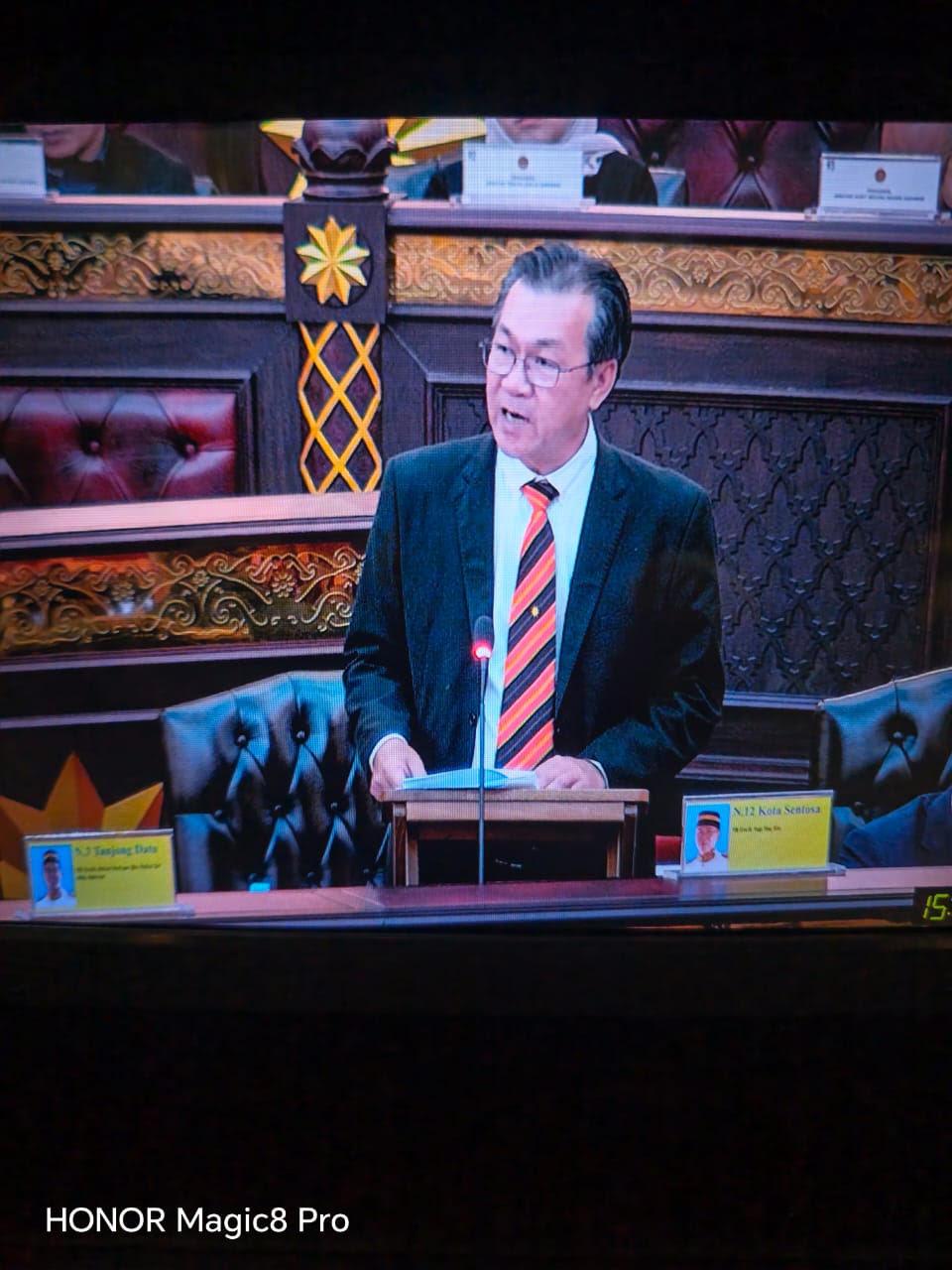
Kota Sentosa assemblyman Wilfred Yap has stressed the importance of preserving Sarawak’s historical heritage, including documents and records relating to the formation of Malaysia and the Malaysia Agreement 1963 (MA63), to ensure future generations understand the State’s history and constitutional position.
Speaking during the debate on the Sarawak State Library (Amendment) Bill at the State Legislative Assembly, Yap said the amendment would strengthen efforts to preserve, protect and showcase historical materials for present and future generations.
He said the proposed definition of “Memorial Archive” would provide a clearer framework for preserving and exhibiting historical materials relating to significant events, individuals and other aspects of Sarawak’s history.
“A Memorial Archive should not merely be a place where old documents and objects are stored away. It should be a living space where history can be discovered, experienced and understood,” he said.
Yap said historical records were essential to understanding the circumstances surrounding the formation of Malaysia in 1963, including the negotiations, constitutional arrangements and safeguards intended to protect the interests of Sarawak and Sabah.
He added that preserving authentic documents, official records, photographs, correspondence and accounts from those who witnessed the events would provide students, researchers and the public with reliable sources of information.
With discussions on MA63 and Sarawak’s constitutional position continuing, Yap said public understanding should be grounded in historical facts and verified records rather than incomplete accounts or unverified information.
“These discussions must be informed by historical facts, authentic documents and a proper understanding of the constitutional framework. We must neither forget our history nor allow our understanding of it to be shaped solely by incomplete accounts, political rhetoric or information circulated without proper verification,” he said.
He said a well-established Memorial Archive could help ensure Sarawak’s experience and contributions to the formation of Malaysia received proper recognition, while enabling younger generations to understand why the historical arrangements remained relevant today.
Yap stressed that preserving historical records was not about reopening old divisions, but about strengthening public understanding and encouraging informed discussions on Sarawak’s relationship with the Federation.
We cannot safeguard what we do not understand, and we cannot properly understand our constitutional position if we neglect the historical records that explain its origins,” he said.
He also pointed out that Sarawak’s history extended beyond prominent leaders and major political events. It included the contributions of ordinary people, teachers, workers, families and community leaders who had helped shape the State’s development and preserve its traditions.
Yap said the Sarawak State Library could play an important role in ensuring these stories remained accessible and appreciated, adding that historical preservation should go hand in hand with modernisation and development.
He concluded by expressing his support for the Bill, saying it represented an important step towards safeguarding Sarawak’s historical heritage and ensuring future generations inherited the knowledge and records needed to understand the State’s past and shape its future.
-
 SARAWAK GOVERNMENT GRANTS OFFER OPPORTUNITIES TO BOOST MIRI TOURISMNov 17, 2026
-
 SEBASTIAN TING SAID CHERISH EVERY DAY SPENT TOGETHERNov 17, 2026
-
 WILFRED YAP CHALLENGES DAP SARAWAK TO FIGHT FOR FAIR FEDERAL ALLOCATIONS INSTEAD OF CRITICISING STATE PROJECTSNov 17, 2026
-
 许德婉:监督制衡不能沦为政治护身符Nov 16, 2026
-
 陈超耀:珍惜相聚的每一天Nov 16, 2026
-
 社区公共安全工作Nov 16, 2026
-
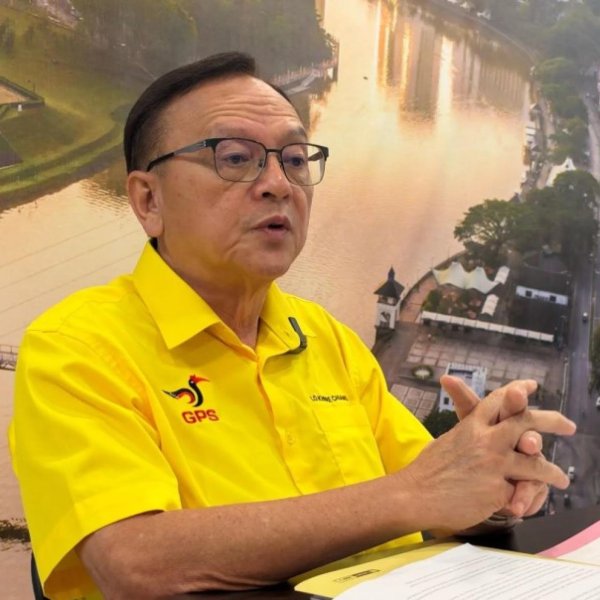 LO CLARIFIES ON UPGRADING AND WIDENING OF THE ROADS ALONG JALAN BAU, JALAN BATU KITANG AND JALAN STEPHEN YONGNov 13, 2026
-
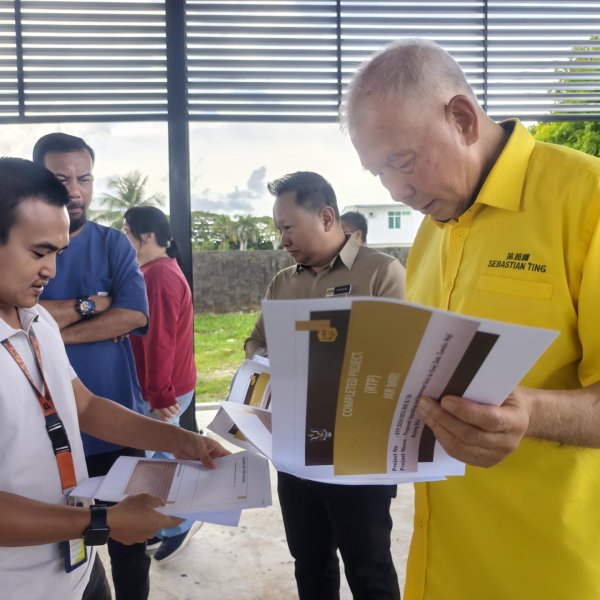 陈超耀:学生是砂未来发展重要资产Nov 12, 2026
-
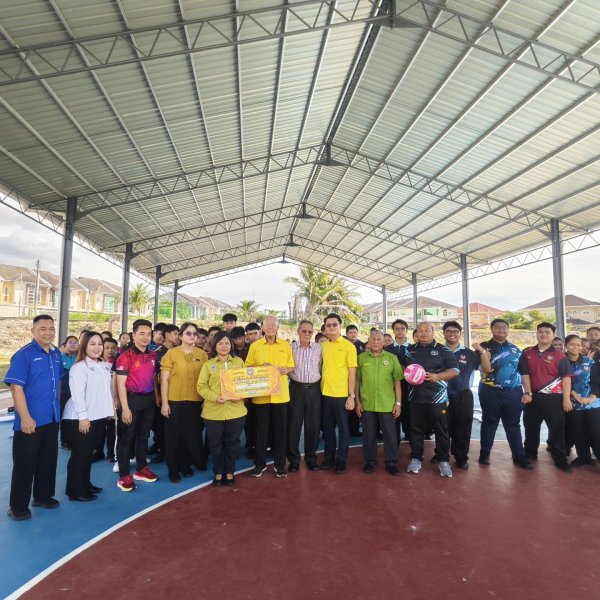 陈超耀移交鲁洼国中雨盖多用途礼堂工程Nov 12, 2026
-
 SUPP BATU KITANG TO ORGANISE BLOOD DONATION CAMPAIGN ON 15 NOVEMBERNov 11, 2026