Scam Losses in Miri Top RM17.3 Million in Seven Months, Says Sebastian Ting
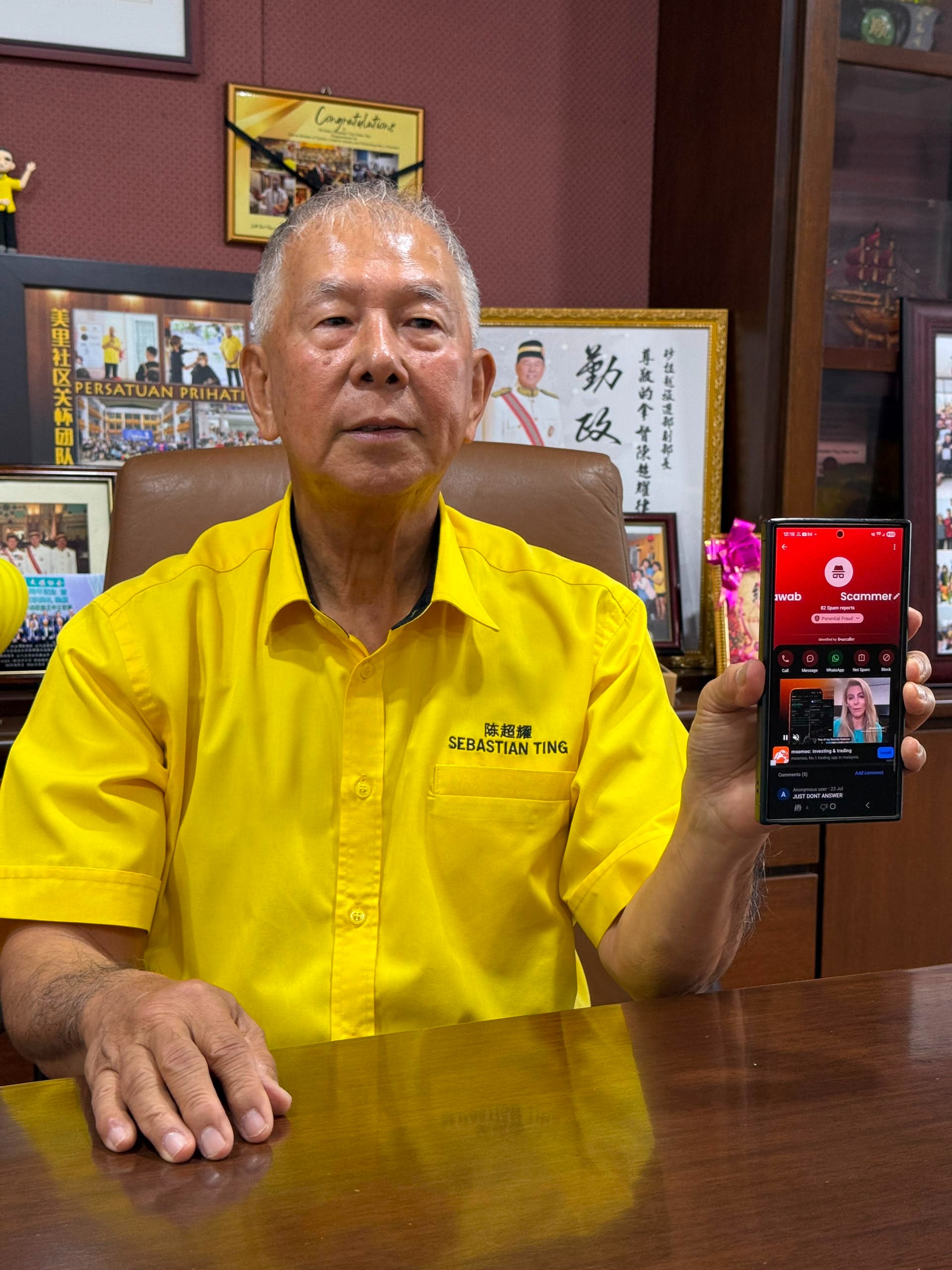
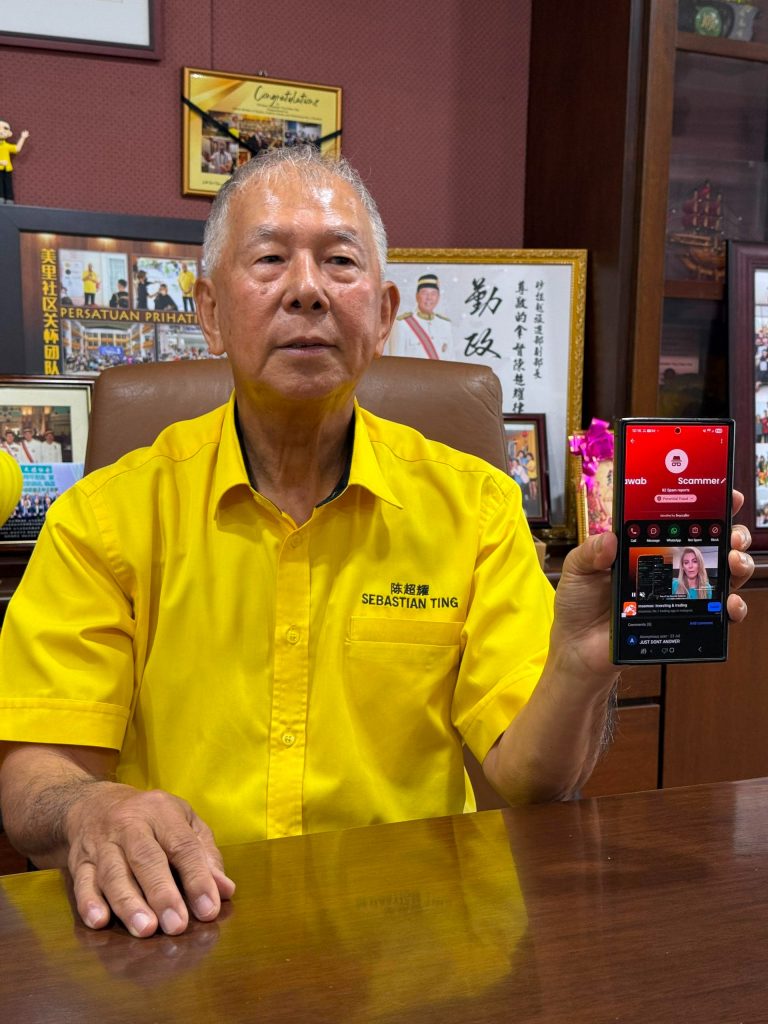
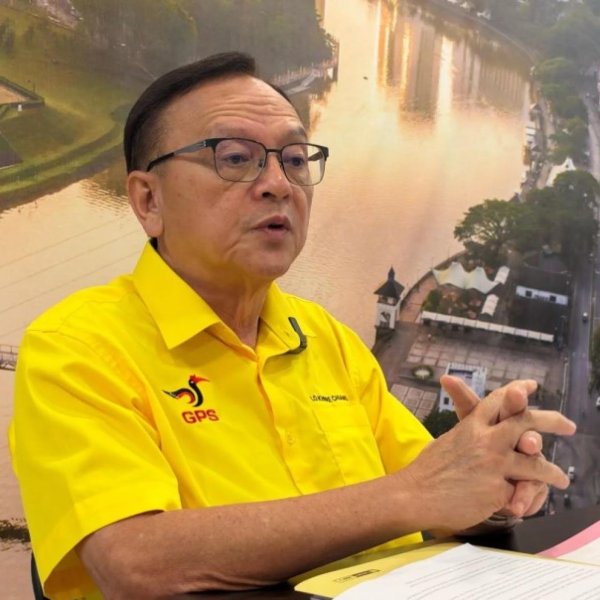
Deputy Minister of Tourism, Creative Industry and Performing Arts, Datuk Sebastian Ting said scam syndicates are becoming increasingly sophisticated in their tactics, making public vigilance more important than ever.
He said a total of 547 scam cases involving losses of more than RM17.388 million were reported in Miri during the first seven months of 2026.
Ting pointed out that Miri recorded 727 scam cases with losses amounting to RM33 million throughout 2025 and these figures only cover cases reported to the police. The real number of victims is likely to be much higher because many people do not report being scammed.
He urged the public to exercise caution when receiving unsolicited phone calls, investment proposals or online messages, and advised them not to rush into making financial decisions.
The public, he said should consult family members or trusted individuals before transferring money or responding to suspicious requests.
According to him, the most frequently reported scams in Miri include online investment fraud, e-commerce scams, fake loan offers, bogus job opportunities, fraudulent government tender schemes and illegal money lending scams, most of which operate through social media, messaging platforms and fake websites.
Investment scams continue to cause the greatest financial losses. Victims are typically attracted by advertisements promising lucrative returns before being added to chat groups populated by fake investors.
The modus operandi was when victims are persuaded to invest small amounts at first and shown fabricated profits to build confidence. Once they invest larger sums, they are asked to pay additional charges such as taxes or processing fees when attempting to withdraw their funds, only to discover they have been cheated.
Ting said online shopping scams, especially on Facebook, are also on the rise. Scammers duplicate genuine advertisements, advertise the same products at lower prices and pretend to act as middlemen. Buyers often inspect the items but unknowingly transfer payment to the scammer's bank account instead of the legitimate seller.
He also warned that fake loan schemes continue to prey on individuals facing financial difficulties by offering quick approvals and low interest rates. Victims are required to pay various upfront charges, including processing fees, insurance and stamp duty, but never receive the promised loans.
Another growing trend involves fraudulent part-time job offers that promise easy daily income for completing simple online tasks such as liking posts or following social media accounts. Victims may initially receive small payments to gain their confidence before being persuaded to deposit larger amounts to access higher-paying assignments, after which the scammers disappear.
Ting said scammers are also impersonating banks, government agencies and law enforcement officers to deceive victims. In some cases, syndicates even deposit money into victims' bank accounts without permission before falsely claiming repayment is required for non-existent loans.
"The most important thing is not to panic. Banks, the police and government agencies will never ask for your banking details over the phone," he said.
He advised the public to verify suspicious calls and messages directly with the relevant authorities instead of responding immediately.
Ting also encouraged anyone who suspects they are being targeted to seek advice from family members before taking action, noting that spending a few minutes checking the facts could prevent substantial financial losses.
He added that victims who have already transferred money should immediately contact the National Scam Response Centre (NSRC) by calling 997 so authorities can act quickly to help limit further losses.
-
 SARAWAK GOVERNMENT GRANTS OFFER OPPORTUNITIES TO BOOST MIRI TOURISMNov 17, 2026
-
 SEBASTIAN TING SAID CHERISH EVERY DAY SPENT TOGETHERNov 17, 2026
-
 WILFRED YAP CHALLENGES DAP SARAWAK TO FIGHT FOR FAIR FEDERAL ALLOCATIONS INSTEAD OF CRITICISING STATE PROJECTSNov 17, 2026
-
 许德婉:监督制衡不能沦为政治护身符Nov 16, 2026
-
 陈超耀:珍惜相聚的每一天Nov 16, 2026
-
 社区公共安全工作Nov 16, 2026
-
 LO CLARIFIES ON UPGRADING AND WIDENING OF THE ROADS ALONG JALAN BAU, JALAN BATU KITANG AND JALAN STEPHEN YONGNov 13, 2026
-
 陈超耀:学生是砂未来发展重要资产Nov 12, 2026
-
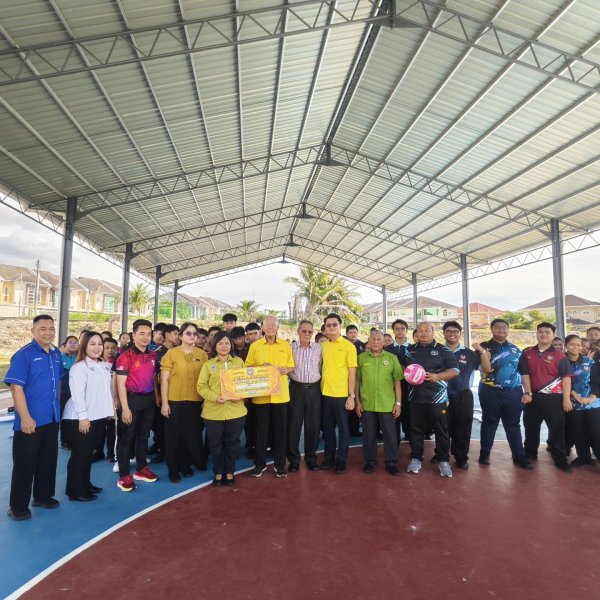 陈超耀移交鲁洼国中雨盖多用途礼堂工程Nov 12, 2026
-
 SUPP BATU KITANG TO ORGANISE BLOOD DONATION CAMPAIGN ON 15 NOVEMBERNov 11, 2026